
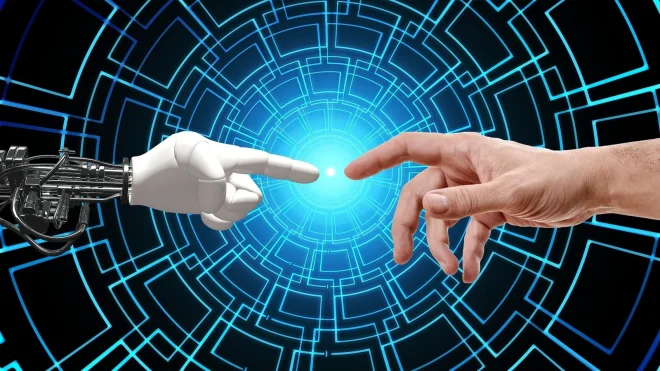
AI Technology: Transforming the Future of Humanity
Artificial Intelligence (AI) is no longer a concept of science fiction—it’s a powerful technology shaping the world around us today. From personalized recommendations on streaming platforms to self-driving cars and intelligent chatbots, AI is revolutionizing the way we live, work, and interact.
Table of Contents
What is AI Technology?
AI, or Artificial Intelligence, refers to the development of computer systems that can perform tasks that typically require human intelligence. These tasks include learning, problem-solving, reasoning, understanding natural language, recognizing patterns, and making decisions.
There are different types of AI:
Narrow AI: Designed for specific tasks (e.g., facial recognition, spam filtering).
General AI: Hypothetical AI with the ability to understand and learn any intellectual task a human can do.
Superintelligent AI: A future concept where machines surpass human intelligence in every field.
How AI Works
AI systems learn from data through algorithms. The most common approaches include:
Machine Learning (ML): Algorithms that improve with experience (data).
Deep Learning: A subset of ML using neural networks, ideal for complex tasks like image and speech recognition.
Natural Language Processing (NLP): Enables machines to understand and generate human language.
Applications of AI in Daily Life
1.Healthcare: AI helps in early diagnosis, robotic surgeries, and personalized treatment.
2.Finance: Used in fraud detection, risk analysis, and algorithmic trading.
3.Transportation: Powers autonomous vehicles and optimizes logistics.
4.Customer Service: Chatbots and virtual assistants provide 24/7 support.
5.Entertainment: AI recommends music, movies, and even creates content.
6.Education: Personalizes learning experiences and automates administrative tasks.
Benefits of AI Technology
Efficiency: Automates repetitive tasks, increasing productivity.
Accuracy: Reduces human error in fields like medicine and manufacturing.
Scalability: Handles large volumes of data and processes in real time.
Innovation: Enables new products, services, and business models.
Challenges and Concerns
While AI offers many benefits, it also poses risks:
Job Displacement: Automation may replace certain jobs.
Bias and Fairness: AI systems can inherit biases from training data.
Privacy: Massive data collection raises concerns about surveillance.
Ethics: Decisions made by AI (e.g., in criminal justice) need transparency and accountability.
The Future of AI
AI will continue to evolve, becoming more integrated into our lives. Future advancements could lead to smarter cities, improved healthcare, and enhanced human-machine collaboration. However, ethical development, regulation, and public awareness will be crucial to ensure AI benefits everyone.
Conclusion
AI technology is not just a trend—it’s a transformative force. As we move forward, embracing AI responsibly will be key to harnessing its full potential while minimizing its risks. The future with AI holds great promise, provided it is guided by innovation, ethics, and human-centered values.